
Opening Up to Someone is the Solution: The Importance of Sharing for Mental Health

In a world that often encourages resilience, self-reliance, and strength, it’s easy to feel like we should handle our problems on our own. But when it comes to mental health, there’s a powerful solution that’s often overlooked: opening up to someone. Sharing our thoughts, feelings, and fears can be one of the most therapeutic steps toward mental wellness.

Why Talking Helps

Opening up about personal challenges may feel daunting, especially when stigma surrounds mental health discussions. However, talking to someone can significantly lighten the emotional burden we carry. Research has shown that expressing our emotions can help reduce stress, improve mood, and foster a sense of relief and understanding. Simply voicing our concerns to someone we trust allows us to process emotions more clearly and often leads to greater mental clarity.

Reducing the Stigma of Mental Health

In many communities, mental health struggles are stigmatized or misunderstood. People may feel pressure to appear “strong” or fear being judged as “weak.” Yet, acknowledging the importance of mental health is key to breaking down these misconceptions. By talking about our experiences and challenges, we normalize these conversations and reduce the isolation others may feel.

When we open up, we encourage others to do the same. Our willingness to share and listen can have a ripple effect, promoting a culture where mental health is respected and supported rather than ignored or hidden.

Finding the Right Person to Talk To

Choosing the right person to confide in is essential. Ideally, this is someone you trust deeply—whether a close friend, family member, counselor, or therapist. If you’re unsure who to turn to, professional mental health services are an excellent starting point. Counselors and therapists are trained to provide a safe, non-judgmental environment, and they can offer techniques and strategies to help you manage and understand your feelings.

Remember, opening up doesn’t have to mean disclosing everything all at once. Start with small steps, sharing what feels comfortable, and gradually build up as you feel more at ease.

The Benefits of Listening

Mental health support is not just about sharing but also about listening. When someone trusts us enough to open up, it’s an opportunity to help them in meaningful ways. Active listening—being present, showing empathy, and offering support without judgment—can make a significant difference. By simply being there for someone, we can help them feel valued, understood, and less alone.

Building Emotional Resilience

One of the biggest advantages of opening up about our struggles is that it builds emotional resilience. When we regularly express our feelings, we gain a better understanding of our emotional responses. With time, this helps us become more self-aware, emotionally intelligent, and resilient in handling life’s ups and downs.

Practical Steps to Opening Up

If you’re thinking about opening up but find it difficult to take the first step, here are some tips:

  1. Start with Self-Reflection: Spend a few moments identifying your feelings and why you want to share them. This can give you clarity and make the conversation easier.
  2. Choose the Right Time and Place: Find a comfortable, private setting to talk, where you won’t feel rushed or interrupted.
  3. Use “I” Statements: Try saying things like, “I feel…”, “I think…”, or “I’m struggling with…”. This can make the conversation feel more personal and less confrontational.
  4. Be Open to Receiving Help: Accepting support is not a sign of weakness. Embrace it, and know that people genuinely want to help.
  5. Seek Professional Help if Needed: Sometimes, family and friends may not have all the answers, and that’s okay. A mental health professional can provide insights, strategies, and support.

Taking the First Step Towards Healing

Opening up is a journey and often, the hardest part is the first conversation. But by reaching out, you’re taking a proactive step toward better mental health. Whether it’s a friend, family member, or professional, remember that you’re not alone. There is strength in sharing and healing in being heard.

Author – Leonard Kabwe
How a Condom Saved My Life

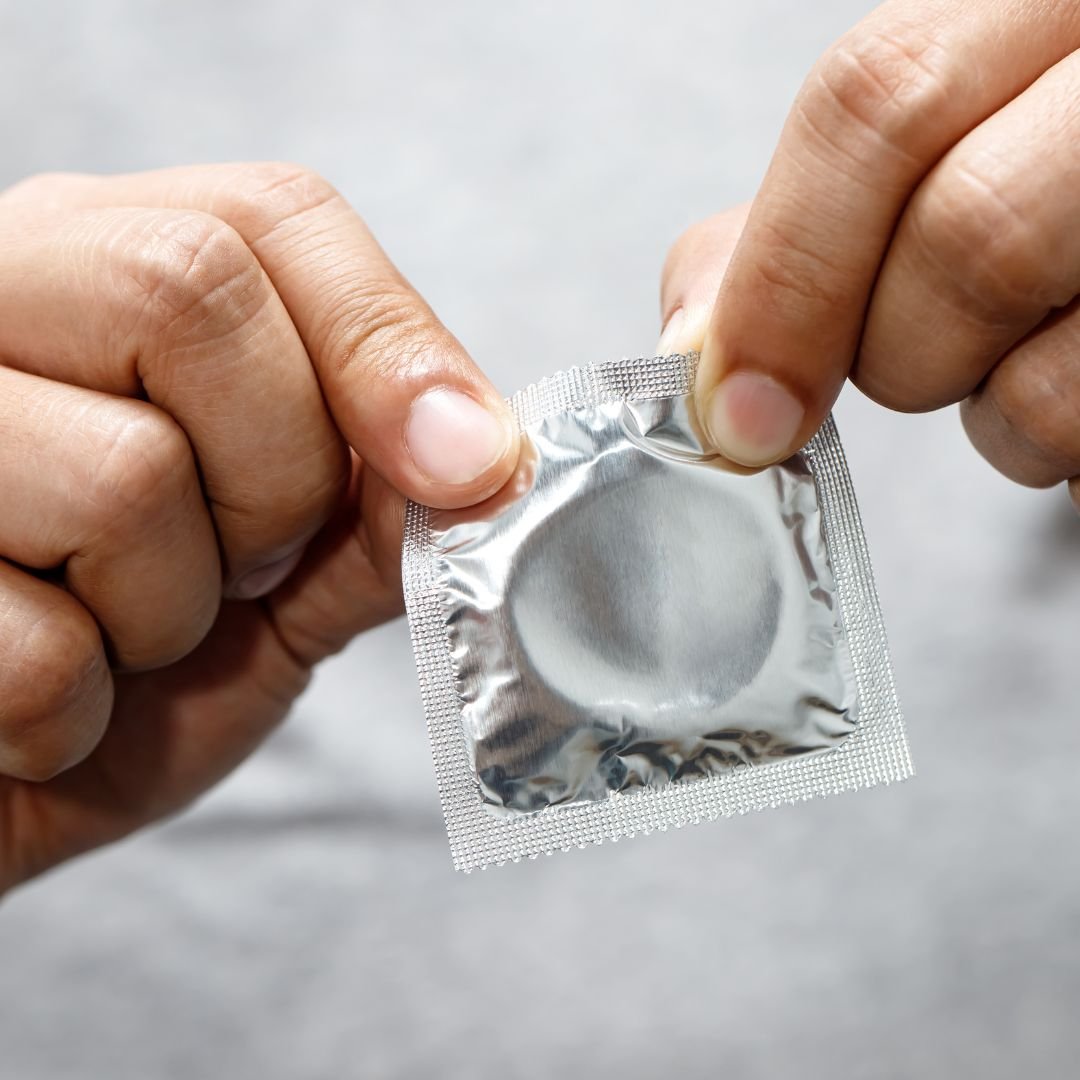
Sexual health is a fundamental part of our overall well-being, and yet, it’s a topic many shy away from. In fact, this reluctance to openly discuss sexual health can lead to ignorance, risky behavior, and, at times, dangerous health consequences. This is a story of how something as simple as a condom saved my life and helped me realize the importance of taking control of my sexual health.

Understanding Risk and Responsibility

For many, the idea of carrying or using condoms may seem trivial or even unnecessary. In a world where sexual interactions are often spontaneous, people can sometimes forget—or deliberately ignore—taking preventive measures. In my case, a lack of understanding nearly led me down a dangerous path.

In my early twenties, I found myself in a relationship that was casual and carefree. It felt exciting and liberating not to think too much about the future. At that time, I hadn’t truly considered the implications of unsafe sex, both physically and emotionally. Like many others, I assumed that sexually transmitted infections (STIs) and unintended pregnancies were things that only happened to “other people.”

A Wake-Up Call: The Risk of STIs

One night, something clicked. I was about to make the same mistake I’d made many times before, but this time, I stopped myself. The reality hit me that my choices had consequences—not only for me but for my partner too. I started to realize that protecting myself also meant protecting others.

Shortly after that night, I learned that a close friend had tested positive for an STI. She had no symptoms and didn’t know until she went for a routine check-up. Her diagnosis changed the way I viewed sexual health forever. It was a stark reminder that anyone could be at risk. After some self-reflection, I made a decision to prioritize my health by always using a condom.

How Using a Condom Saved My Life

I’ll never forget the relief I felt knowing that my decision to use a condom spared me from potential health complications. I later learned that my casual partner had been in multiple relationships, none of which involved protection. This sobering revelation brought everything into perspective for me.

A few months after we parted ways, I went for an STI check-up as a precaution. The results came back clear, thanks to my decision to use protection. It was a moment of gratitude and relief that underscored the importance of taking my health into my own hands.

The Lifesaving Benefits of Condoms

The humble condom is much more than a piece of latex. Condoms provide a barrier against not only unintended pregnancies but also prevent a wide range of STIs, including HIV, chlamydia, gonorrhea, and syphilis. By consistently using condoms, you reduce your risk of contracting these infections and protect your future health.

Moreover, condoms are accessible and affordable, making them an easy choice for anyone seeking to be responsible. But despite their availability, many people still don’t prioritize their use. Common misconceptions—such as reduced sensation or the idea that one partner’s faithfulness is enough protection—keep people from using condoms regularly.

The Importance of Education and Access

One of the biggest barriers to consistent condom use is a lack of education. People may not fully understand the risks of unprotected sex or may face social pressures to avoid using condoms. Stigma, cultural beliefs, and misinformation can prevent people from making informed decisions about their sexual health.

Sexual reproductive health education must be more accessible, relatable, and destigmatized. We should empower young people and adults alike to feel confident in prioritizing their health without shame or hesitation.

Moving Forward with Confidence and Control

Looking back, I can’t overstate how one simple choice profoundly impacted my life. That decision to use a condom was a pivotal moment—one that likely saved me from a future of health complications. It was a choice rooted in self-respect, responsibility, and empowerment.

Today, I am a vocal advocate for sexual health, encouraging others to make informed decisions and prioritize their safety. By sharing my story, I hope to inspire others to recognize the importance of something as straightforward as using a condom.

In the end, sexual health isn’t just about preventing disease or pregnancy. It’s about respecting yourself and your partner enough to make choices that protect your well-being. By embracing the value of prevention, you can save your life—just as a condom once saved mine.

Author – Austin Sinyangwe

How I Left My Toxic Relationship and Saved My Life

Leaving a toxic relationship is one of the hardest and most courageous steps someone can take. If you’ve ever been trapped in an unhealthy relationship, you know how deeply it can impact your mind, body, and spirit. For me, stepping out of my toxic relationship was more than just a life change—it was the beginning of saving my life.

Recognizing the Signs

For a long time, I didn’t realize I was in a toxic relationship. I excused their behavior and justified the abuse, blaming myself for any argument or issue. Little by little, the person I once admired became someone who controlled my every move. It started subtly, with minor criticisms that grew into verbal assaults and manipulation, until I was walking on eggshells every day.

Eventually, I saw that what I was experiencing was a form of gender-based violence (GBV)—a pattern of behavior where one person seeks to control, demean, or harm another, often exploiting societal or gender-based dynamics. GBV takes many forms, from physical and emotional abuse to financial manipulation and coercive control, all of which aim to strip away an individual’s self-worth and independence. As I came to understand that my relationship fell into this category, I realized that I needed to get out for the sake of my safety and sanity.

Taking the First Steps

Breaking free was not a single decision but a series of small, intentional choices. First, I confided in trusted friends and family, who helped me realize that I deserved a life free from fear and control. The stigma surrounding abusive relationships had once kept me silent, but talking to others opened my eyes to just how common my experience was.

The next step was to seek out professional help. I reached out to a local support center for individuals dealing with GBV. This gave me a safe space to share my story, receive guidance, and find the tools to regain control over my life. Having this support reminded me that I was not alone, that others had successfully walked this road before me, and that I could make it out too.

Building a Plan and Setting Boundaries

Leaving a toxic relationship is a process, not an event. Together close friends and family, I created a plan to safely distance myself from my partner. I had to make practical arrangements to secure my finances, find a safe place to stay, and set boundaries that would protect me emotionally and physically. The process was often overwhelming, but each step helped me reclaim a bit more of my power.

Setting boundaries felt difficult at first because I was so used to having them ignored. But learning to say “no” and stand firm in my decisions was a huge part of my healing. I began to see that my needs and feelings were valid and that I deserved respect. Establishing these boundaries marked the start of my journey toward self-worth and self-compassion.

The Healing Journey

Once I was finally out, I realized that the hardest part was yet to come: healing. Breaking free from abuse left me with scars—emotional and psychological wounds that would take time and patience to heal. I found that trauma therapy, journaling, and surrounding myself with supportive friends were powerful tools for moving forward.

Healing from a toxic relationship means unlearning the lies I had been told about myself and redefining who I am on my own terms. It took time, but gradually, I began to rebuild my confidence and rediscover the parts of myself that had been suppressed.

Rediscovering My Strength

Leaving my toxic relationship saved my life, but it also helped me rediscover my inner strength. If you are in a relationship where you feel unsafe, unheard, or unworthy, know that there is a way out. Gender-based violence is a cycle, but it is one that can be broken with courage, support, and perseverance.

Every day, I remind myself that I am worthy of love, respect, and happiness, and that my experiences have shaped me into a stronger, more resilient person. There is life after abuse—a life of freedom, peace, and self-love.

Author – Mercy Zimba