Zambia has several laws and policies that aim to protect victims of Gender-Based Violence (GBV) and support survivors. These laws encompass various forms of GBV, including physical, sexual, emotional, psychological, and economic violence.
The Anti-Gender-Based Violence Act No. 1 of 2011 is a comprehensive law aimed at preventing and protecting against GBV. It criminalizes various forms of GBV, including domestic violence, sexual violence, and economic abuse.
Key Provisions:
Protection Orders: Victims can apply for protection orders that restrain the perpetrator from contact, harassment, or further abuse.
Safe Shelters: The Act mandates the establishment of shelters where survivors can find temporary refuge and support.
Counseling and Support Services: The law provides for counseling services to help victims recover and reintegrate.
Reporting Mechanisms: Victims or witnesses can report GBV incidents to the police or a designated protection officer.
Zambia’s Penal Code criminalizes acts of assault, rape, defilement, and other forms of violence that often overlap with GBV.
Key Provisions:
Criminalization of Rape and Defilement: The Penal Code defines and criminalizes sexual offenses, including rape and defilement of minors, with severe penalties.
Prosecution of Domestic Violence: Assault, battery, and other forms of physical violence can lead to criminal charges under the Penal Code.
Consent and Protection: The law emphasizes the protection of individuals from forced or non-consensual sexual acts.
The Marriage Act provides legal guidelines for marriage and includes provisions aimed at preventing forced or child marriages, which are forms of GBV.
Key Provisions:
Minimum Age Requirement: The Act sets the legal age for marriage to prevent child marriages, which disproportionately affect girls and expose them to abuse.
Consent in Marriage: The law requires consent from both parties, helping to prevent forced or coercive marriages.
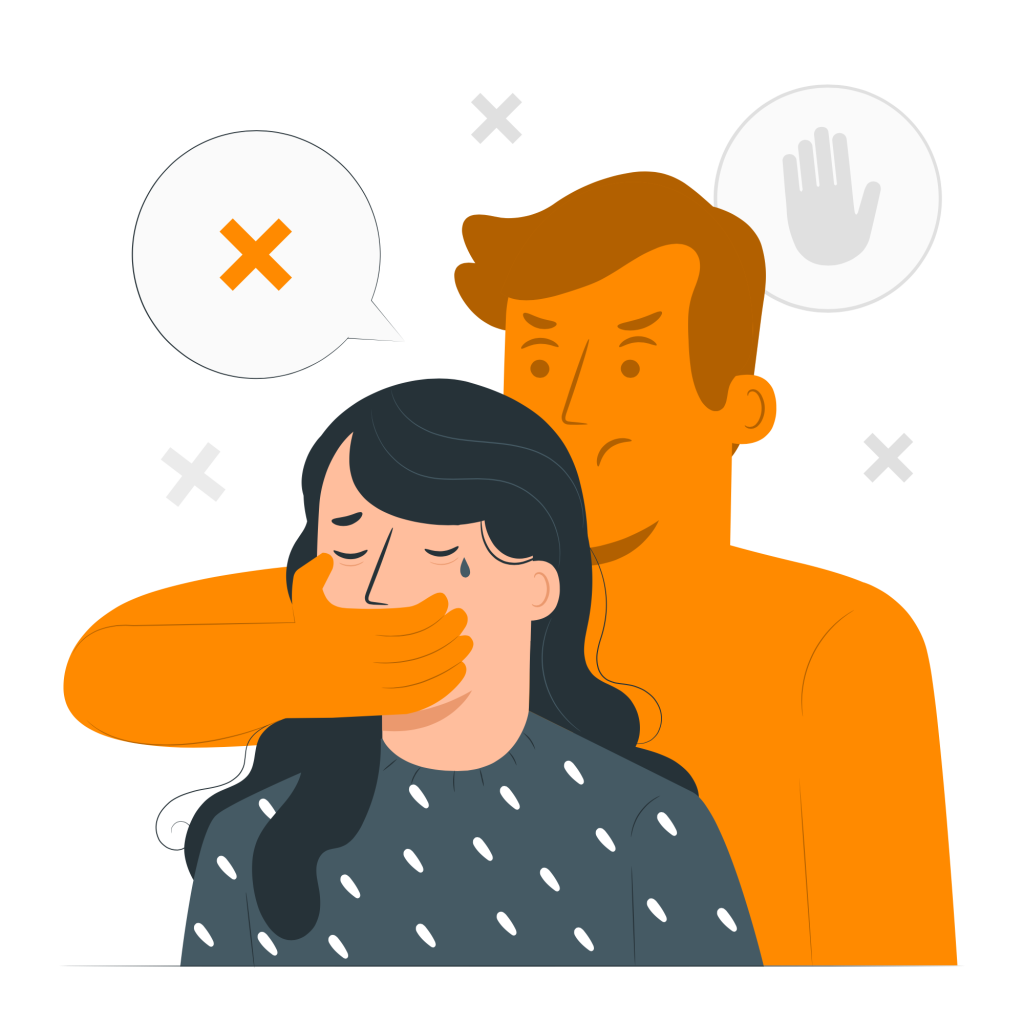
Gender-Based Violence refers to harmful acts directed at individuals based on their gender. This can include physical, sexual, emotional, psychological, and economic violence, as well as harassment and discrimination. GBV often disproportionately affects women, girls, and marginalized groups.
Physical Violence: Physical harm or abuse, such as hitting, slapping, or assault.
Sexual Violence: Unwanted sexual contact or behavior, including harassment, assault, and rape.
Emotional/Psychological Violence: Actions that harm a person’s mental well-being, including threats, insults, and isolation.
Economic Violence: Financial control or exploitation, such as preventing someone from accessing their own money or forcing them to become financially dependent.
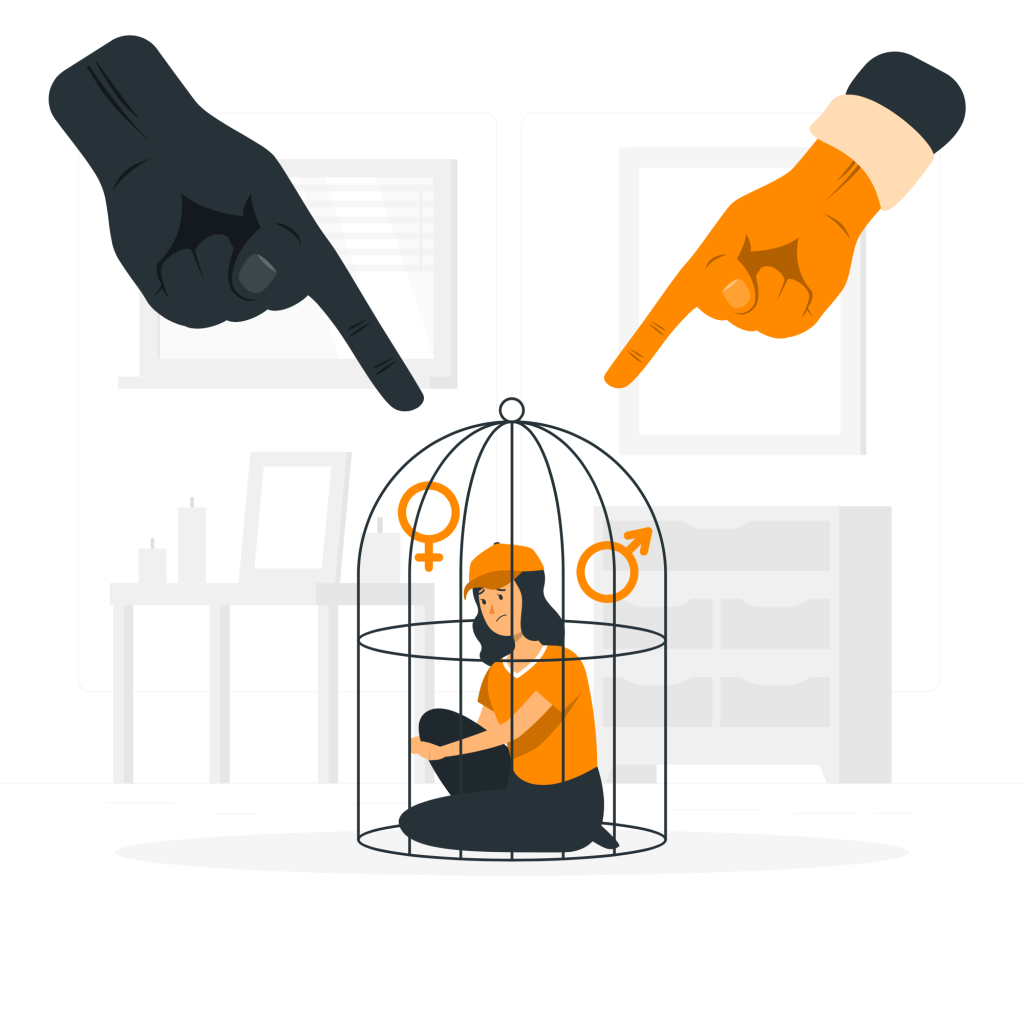
Cultural/Structural Violence: Discriminatory practices and policies that reinforce gender inequality and harm.
GBV can affect anyone, regardless of age, gender, or background, though it predominantly affects women, girls, and marginalized communities. However, men, boys, and gender-diverse individuals can also be victims of GBV.
There are so many shelters or safe spaces where survivors of GBV can find temporary housing, protection, and support around Zambia with the help of GBV based organisation. Our Knowledge Center includes a list of verified safe spaces and emergency contact information.
Experiencing GBV can lead to a range of mental health challenges, including depression, anxiety, PTSD, low self-esteem, and difficulty in trusting others. Survivors often need mental health support, counseling, and community resources to begin healing.
Yes, many NGO’s have capacity and laws protecting individuals from GBV and offer legal support, including restraining orders, legal representation, and assistance with filing reports. Contact local authorities or a legal aid organization to understand your rights.
Yes, men and boys can experience GBV, although it may be less reported due to stigma or cultural beliefs. Male survivors can access the same support and resources available to women, including counseling, legal aid, and shelter options.
GBV stems from power imbalances, societal norms, cultural beliefs, and a lack of accountability. Preventing GBV requires community education, legal action, support services, and challenging harmful gender stereotypes.