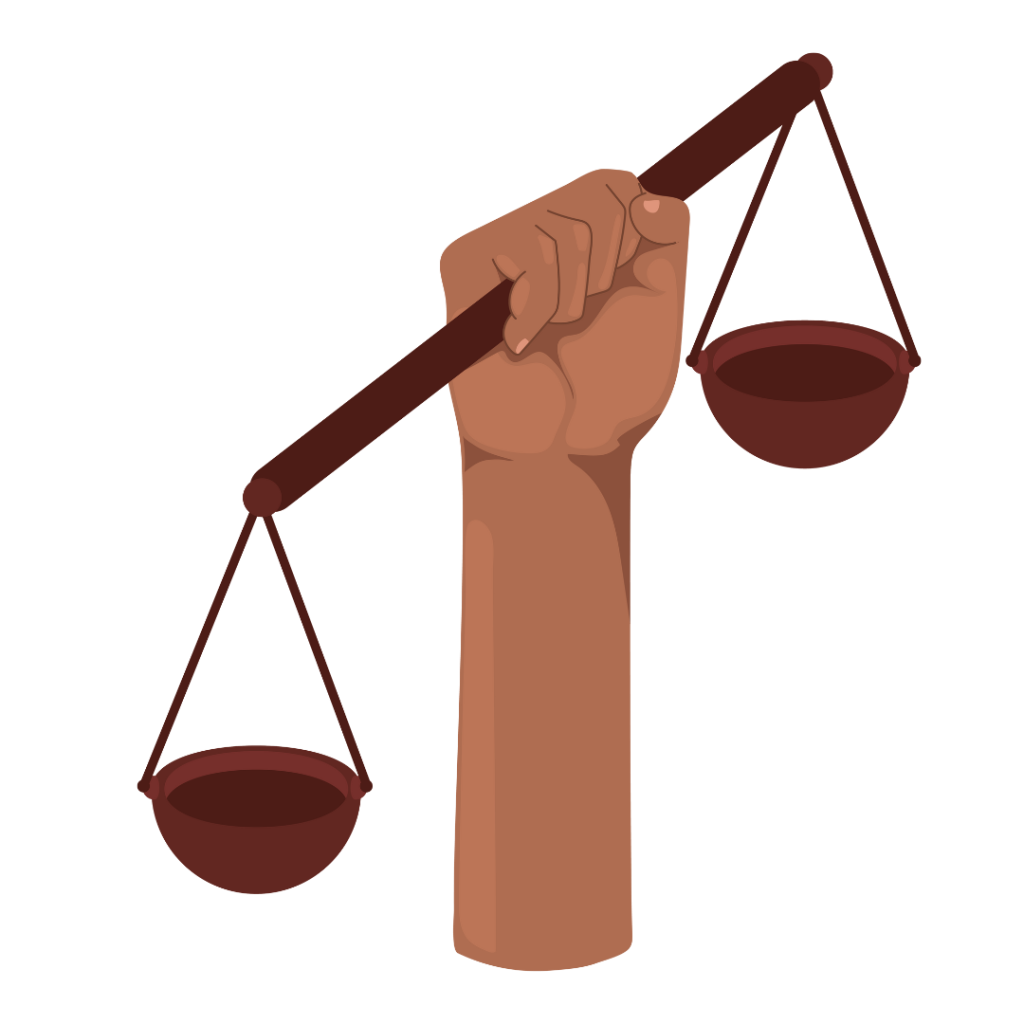
In Zambia, sexual and reproductive health (SRH) is governed by various laws and policies aimed at ensuring the health, rights, and well-being of individuals, particularly in areas like reproductive rights, gender equality, and health services
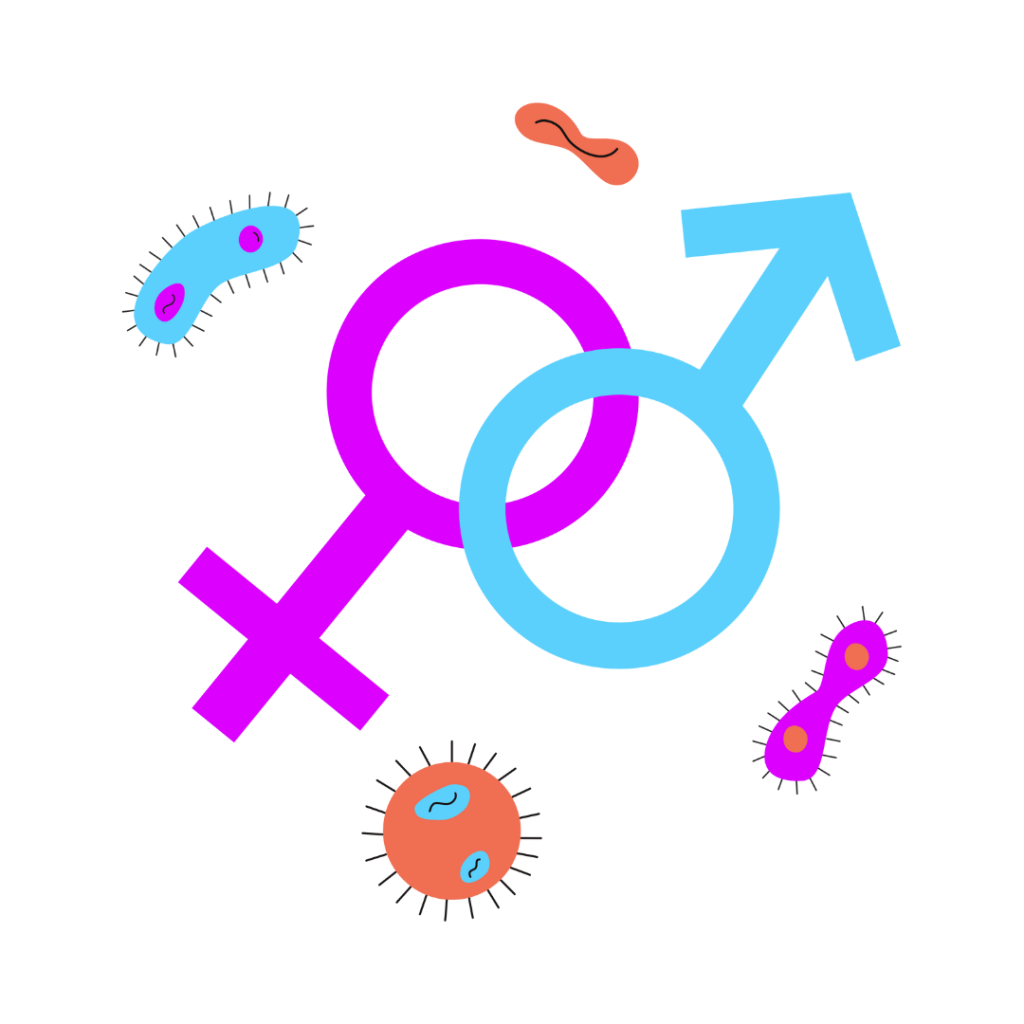
Sexual and Reproductive Health (SRH) refers to the well-being of individuals in relation to their sexual and reproductive systems throughout life. It encompasses not only the absence of disease or infirmity but also a positive and respectful approach to sexuality, relationships, and reproduction. SRH includes understanding one’s own body, safe sex practices, reproductive choices, and the availability of supportive healthcare resources.
Why is SRH education important?
SRH education helps individuals make informed decisions, understand their rights, and feel empowered about their sexual health and relationships. It plays a vital role in reducing risks of STIs, unintended pregnancies, and unsafe practices while promoting respectful relationships and overall health.
What are sexually transmitted infections (STIs), and how can they be prevented?
STIs are infections transmitted through sexual contact, such as chlamydia, gonorrhea, HIV, and herpes. They can be prevented by using protection like condoms, practicing mutual monogamy, and regularly testing for STIs. Early treatment can prevent complications and stop further transmission.
How can I reduce my risk of contracting STIs?
Reduce STI risk by using barrier methods like condoms, having open communication with partners, and staying informed on vaccination options, such as HPV vaccines. Regular STI testing ensures early detection and treatment.
What are the different types of contraception, and how do they work?
Contraceptive options include hormonal methods (pills, injections), barrier methods (condoms), long-acting reversible contraceptives (IUDs), and natural methods (tracking fertility). Each method works differently and may suit different lifestyles and preferences.
How do I choose the right contraception method for me?
Choosing contraception depends on individual health, lifestyle, and reproductive goals. Consulting a healthcare provider can help weigh pros, cons, and possible side effects, ensuring an informed choice.
What should I do if I missed a dose of my contraceptive pill?
If you missed a pill, refer to the instructions that come with your medication. Generally, taking the missed pill as soon as possible and using backup protection for a week is recommended. Contact your healthcare provider for specific guidance.
What should I consider if I am planning to get pregnant?
Preparing for pregnancy involves lifestyle adjustments like maintaining a balanced diet, taking folic acid, avoiding harmful substances, and scheduling a preconception check-up to address any health concerns.
What are early signs of pregnancy?
Common early signs include missed periods, nausea, breast tenderness, fatigue, and mood changes. If you suspect pregnancy, take a test and consult a healthcare provider.
How can I access prenatal care?
Prenatal care is essential for monitoring both maternal and fetal health throughout pregnancy. Most local clinics and healthcare facilities offer services such as ultrasounds, screenings, and consultations to support a healthy pregnancy.
What is a typical menstrual cycle?
A menstrual cycle typically lasts between 21-35 days, with periods ranging from 3-7 days. The body may experience changes like mood swings, cramps, and bloating, all of which are normal responses due to hormonal fluctuations.
How can I track my menstrual cycle?
Cycle tracking can help predict periods and identify changes. Traditional methods like calendar marking or modern mobile apps are both effective. Many free apps are available, even those that work offline, making them accessible in regions with limited connectivity.
What should I know about menstrual health at different stages of life?
From menarche (first period) to menopause, menstrual health varies across life stages. Education on these transitions helps women of all ages understand and manage changes, from adolescence to adulthood and beyond.
What products can I use during my period?
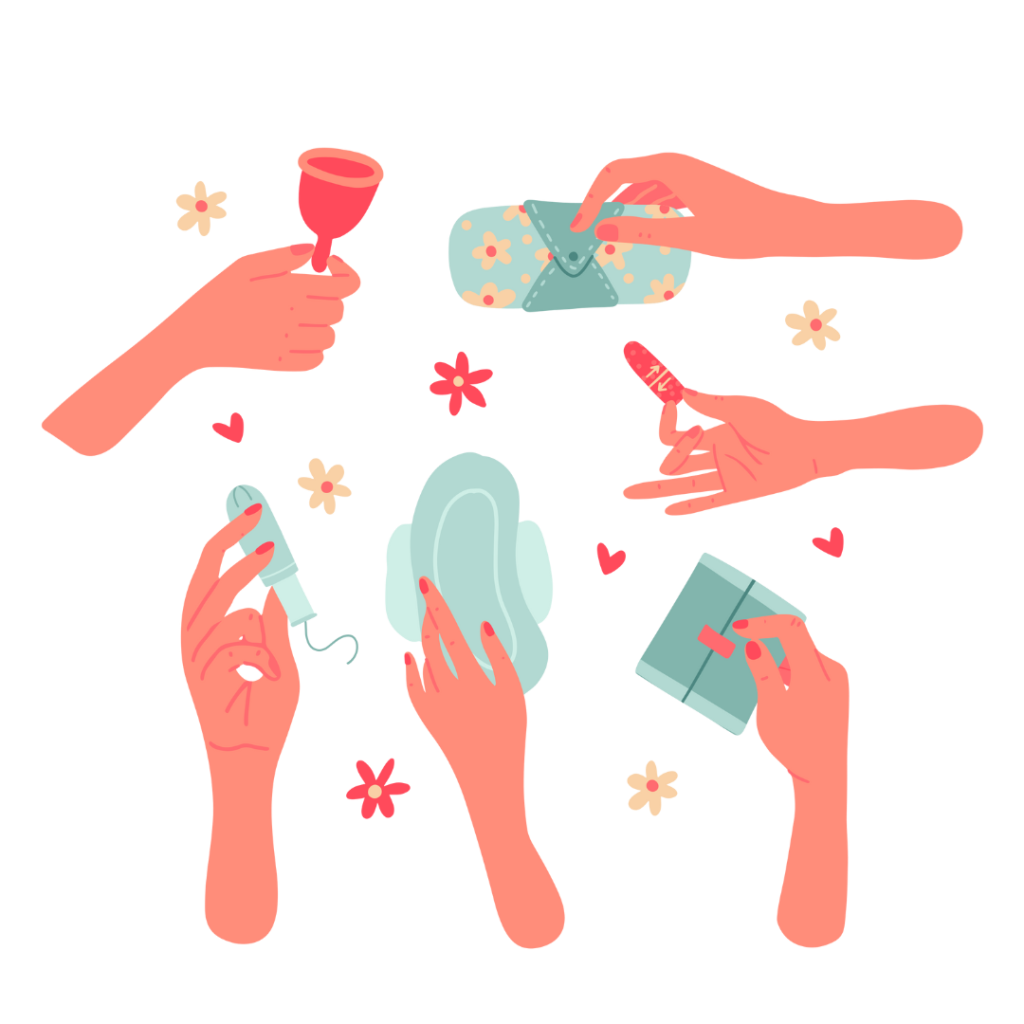
Options include disposable pads, tampons, reusable cloth pads, menstrual cups, and period underwear. In rural or low-income areas, reusable cloth pads or locally available, eco-friendly materials can be affordable and sustainable options.
How do I choose the right menstrual product?
Choice depends on personal comfort, affordability, access, and convenience. For example, menstrual cups and cloth pads are cost-effective over time, while disposable pads may be preferred for convenience in urban areas. Local health centers and community programs often offer education on using and maintaining different products safely.
Are there safe ways to make homemade menstrual pads?
Yes, using soft, clean, and absorbent cloth can make a viable option for homemade pads. To ensure hygiene, the cloth should be thoroughly cleaned, boiled if possible, and dried in the sun to reduce bacteria.
What are best practices for menstrual hygiene?
Regularly changing pads, tampons, or menstrual products every 4-6 hours is essential. Washing hands before and after changing, using clean water to wash the genital area, and avoiding harmful substances for cleaning (like soap inside the vagina) promote good menstrual health.
How can communities improve menstrual hygiene education?
Engaging local schools, community health workers, and NGOs in menstrual health workshops can help break stigmas and educate girls and boys alike. These sessions can cover anatomy, menstrual hygiene practices, and bust common myths, providing a safe space for open discussions.
How can I address menstrual stigma in my community?
Menstruation remains a taboo topic in many African communities, leading to shame or isolation for menstruating girls and women. Sharing facts about menstruation, normalizing conversations, and educating both genders can help combat myths and stigma.
What traditional beliefs about menstruation might I encounter?
Some African cultures may have taboos or practices around menstruation, such as restrictions on cooking, touching certain foods, or participating in community events. Recognizing and respecting these beliefs while educating on menstrual health as a natural, healthy process is essential to fostering understanding.
Are there ways to honor cultural practices while promoting menstrual health?
Blending traditional values with modern menstrual health practices can create a balanced approach. For instance, respecting privacy during menstruation but also ensuring that women have access to clean facilities and safe products supports both health and cultural considerations.
What conditions can cause severe menstrual pain or irregular periods?
Conditions like endometriosis, fibroids, or polycystic ovarian syndrome (PCOS) can cause irregular cycles or intense pain. Many women experience these conditions without diagnosis due to limited healthcare access. It’s important to seek medical advice if pain or irregularity interferes with daily life.
How can I manage menstrual pain if I don’t have access to medications?
Non-medical options for managing pain include warm compresses, gentle exercise, and certain dietary practices (like avoiding caffeine or fatty foods). In community health settings, local herbal remedies may also be used, but it’s essential to ensure they are safe and effective.
How does menstruation affect my mood?
Hormonal changes can cause mood swings, irritability, or sadness during menstruation. These changes are normal, but if they feel overwhelming, it may help to talk to someone supportive or practice relaxation techniques.
What support is available for emotional health related to menstruation?
Local support groups, healthcare providers, and online forums can provide a safe space to discuss menstrual-related emotional health issues. Community-led discussions and education programs can also help normalize the conversation around menstruation and emotions.
What is consent, and why is it important?
Consent is an informed, enthusiastic, and mutual agreement to engage in an activity. It’s fundamental for respect and safety in any relationship and should be ongoing, clear, and freely given.
How can I establish and communicate my boundaries?
Setting boundaries involves self-awareness, open communication, and respecting your own needs. Express boundaries clearly and honestly to foster mutual respect in relationships.
What are signs of a healthy relationship?
A healthy relationship includes respect, communication, trust, and emotional support. In such relationships, individuals feel safe and valued, and each person’s boundaries are respected.
Where can I find SRH services near me?
SRH services can be found at clinics, health centers, and community organizations. Many offer affordable or free options, especially for young adults or marginalized communities.
What should I expect during an SRH check-up?
SRH check-ups may include a physical exam, STI testing, contraception counseling, and discussions on any concerns. Patient confidentiality is maintained, and the focus is on creating a supportive environment.
How can I talk to my doctor about SRH issues?
Prepare for SRH appointments by noting down questions or concerns. Remember that healthcare providers are there to help, and open communication ensures you receive appropriate care.
How does SRH affect mental health, and vice versa?
SRH and mental health are interconnected; concerns about SRH can lead to stress, anxiety, and self-esteem issues. Addressing SRH positively can support better mental well-being.
What should I do if I feel anxious or depressed about SRH topics?
SRH anxiety is common, and support is available through counseling, online resources, and helplines. Addressing these concerns with a mental health professional can also be very beneficial.
What should I do if I think I am experiencing a medical emergency related to SRH?
Urgent symptoms (e.g., severe pain, abnormal bleeding) require immediate medical attention. Users should be directed to emergency services or the nearest clinic to ensure timely care.
Where can I access emergency contraception?
Emergency contraception is available at pharmacies and clinics; options include morning-after pills and IUDs. Users should be informed about time frames for effectiveness and side effects.